On site
This is what the work actually looks like.
Most suppliers in this market show stock photography of clean offices. These are our own engagements, photographed as they ran. The rooms are not tidy and the files are not in good condition, because that is the job.
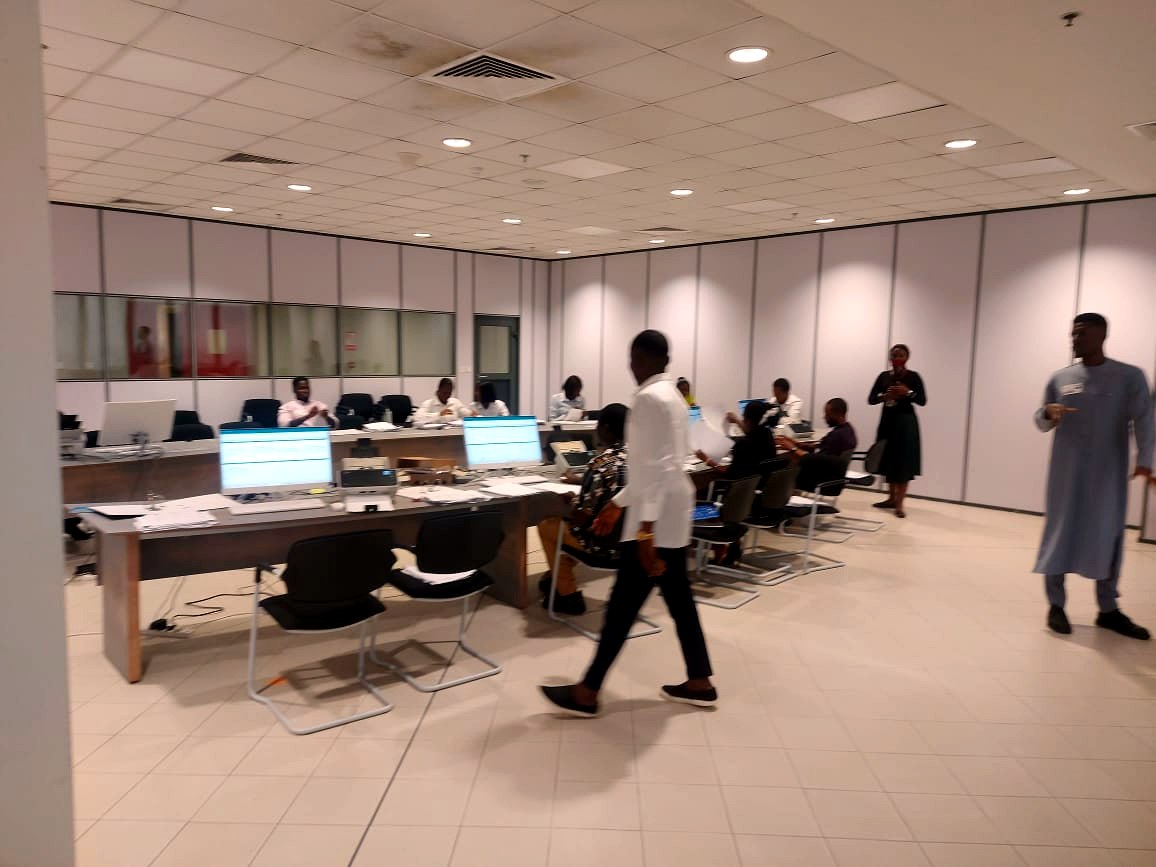
Preparation and capture
The condition of the paper decides the method.
Nothing goes through a feeder until somebody has looked at it. Fasteners come out, tears are repaired, and anything bound or brittle is diverted to overhead capture. Deciding that correctly is most of the skill in this work.
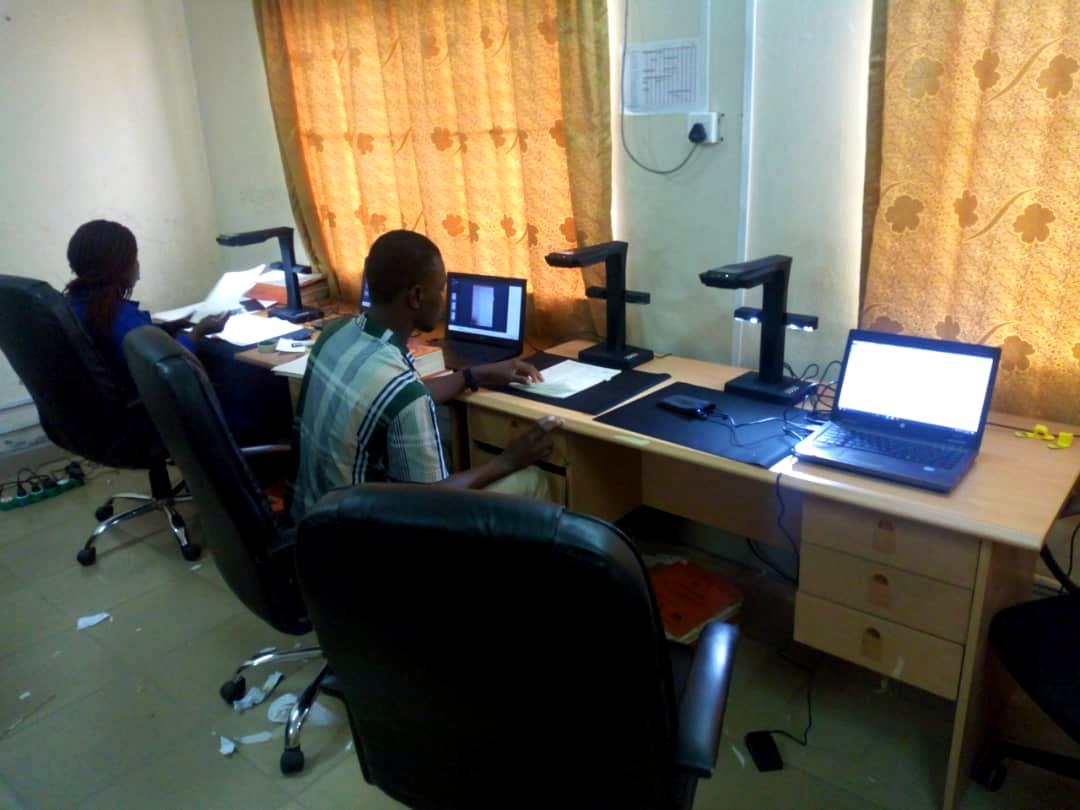
These frames are small because they are the originals we hold. Higher resolution photography is being commissioned.
The capture room
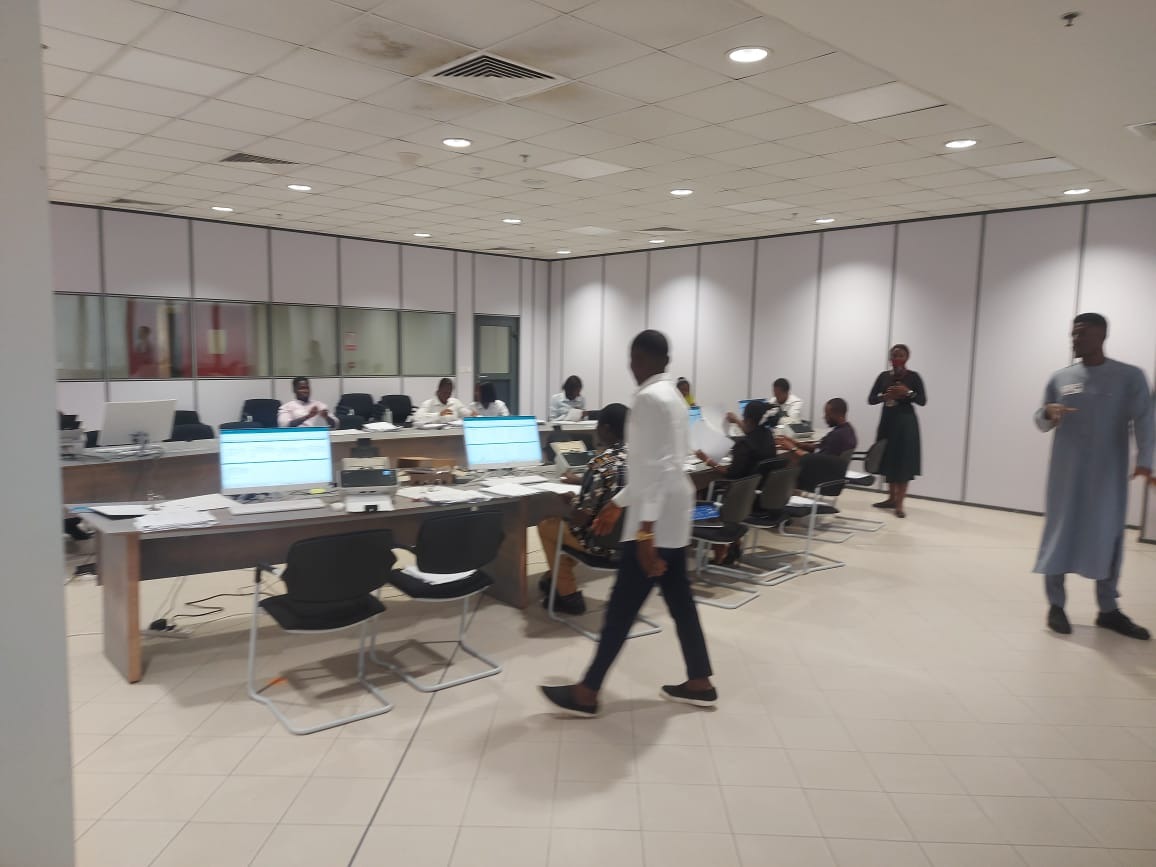
Volume is a staffing problem before it is a machine problem.
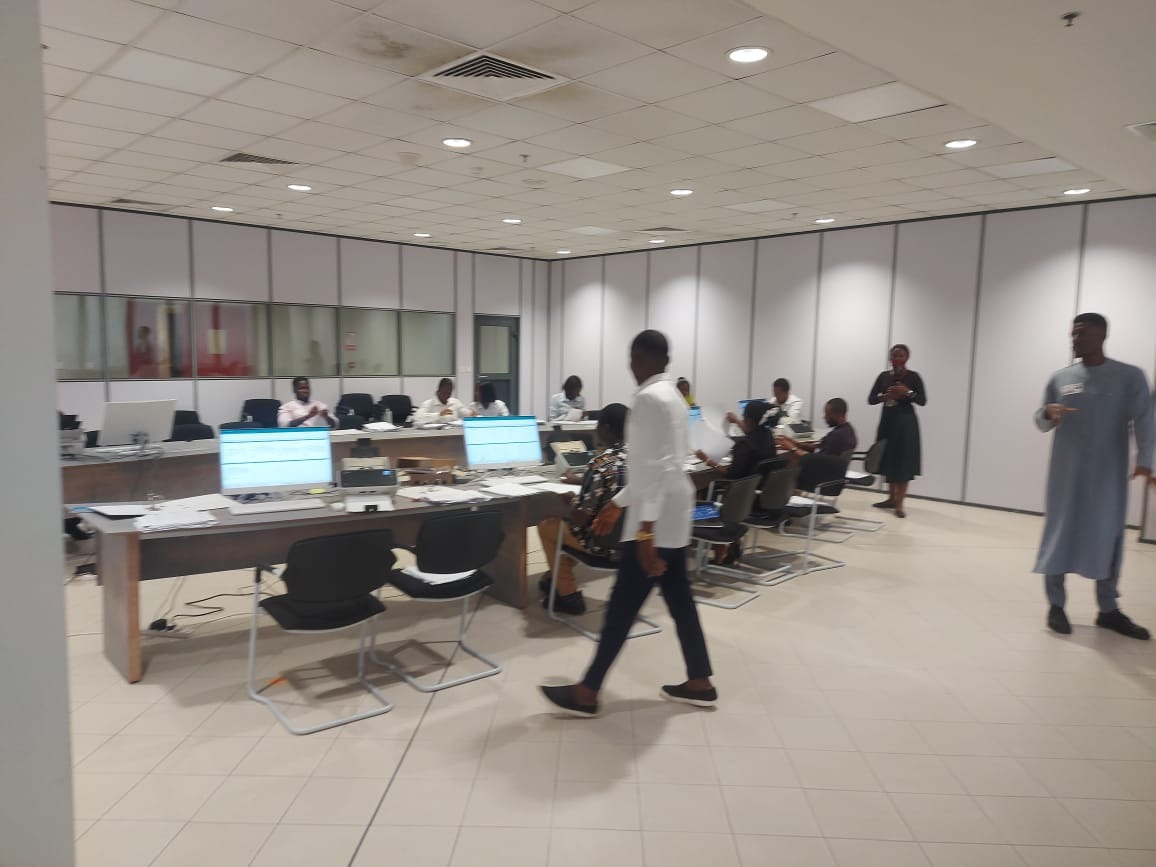
A ministry wide digitisation does not run on six people. It runs on a permanent core team who design the file plan and hold the quality standard, and a project crew recruited, vetted, trained and supervised for the volume in front of them.
The crew changes with the engagement. The core team does not, which is why the index looks the same at the end of a project as it did at the start.
The people
Every operator on these projects was trained here.
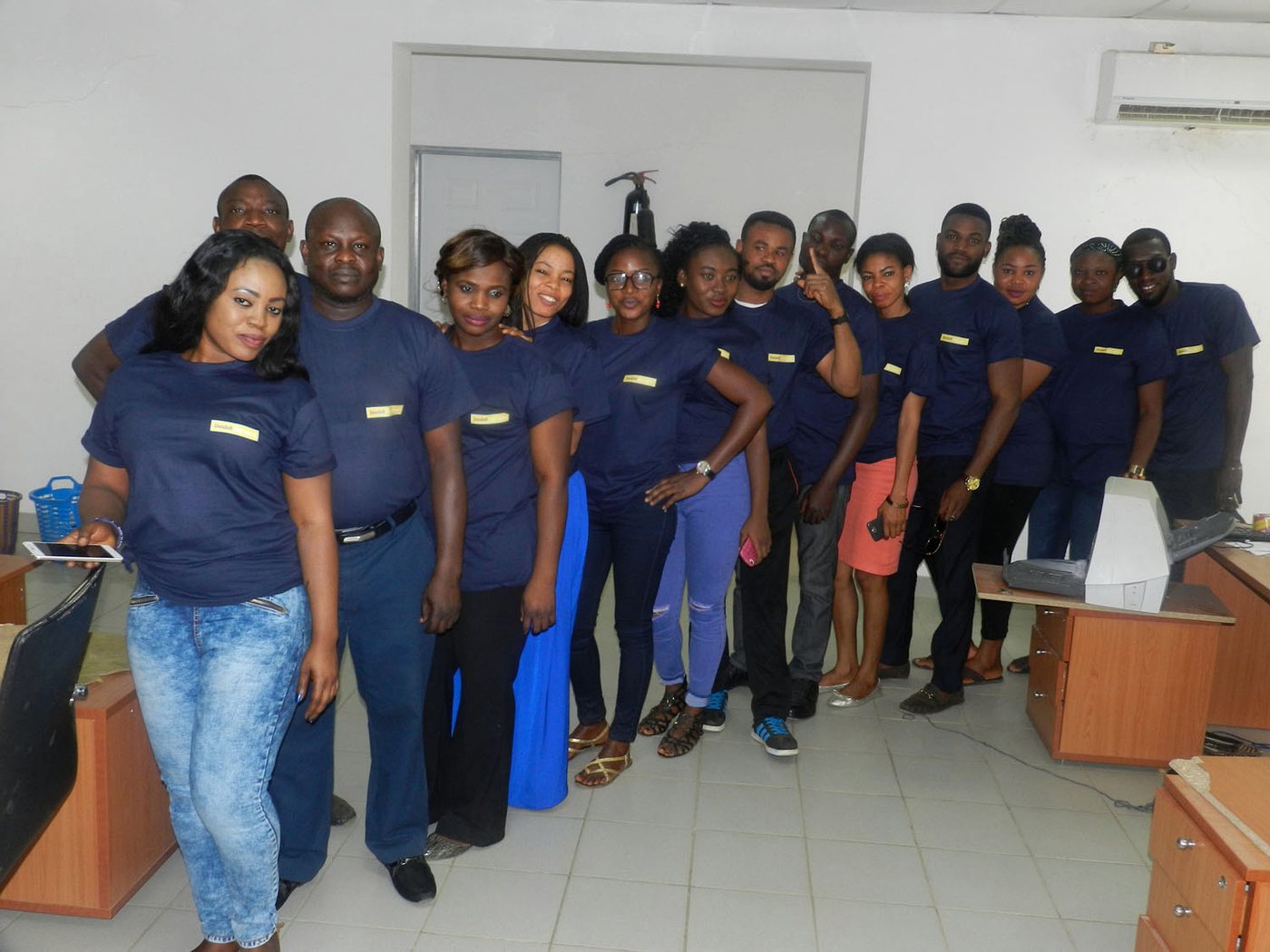
Nigerian Content is not a box we tick on a tender return. It is the reason a registry in Abuja can get somebody in the room the same morning it stops working, and the reason the people who built your index are still reachable two years later.
Operators handle pension files, petroleum contracts and diplomatic correspondence. They are vetted, supervised and bound by confidentiality, and on the engagements where records may not leave the building they work inside your registry under your supervision.
Where the files end up
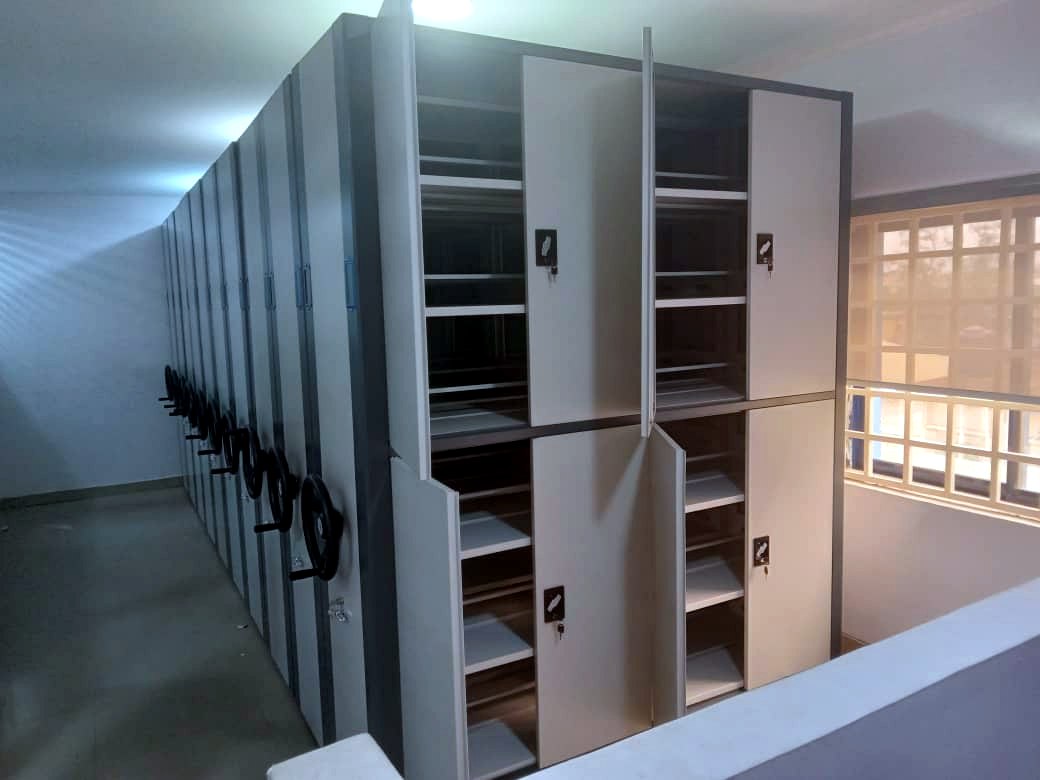
The archive is ours, and you are welcome in it.
Barcoded boxes, controlled access and a movement history on every item. Digitisation does not remove the need for the originals: most institutions we work with are required to keep the paper, and the practical question is whether it is somewhere that can produce a named file within the hour.
Clients and institutions evaluating us are welcome to visit. It answers more questions than a proposal does, which is why we offer it early rather than late.
Yours will not be the worst we have seen.
Whatever condition your records are in, somebody has handed us worse. Tell us what you are holding and we will come and count it.